
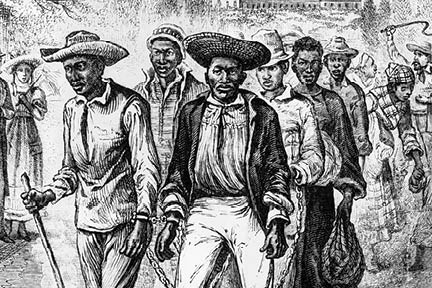
County Parks program combines history, archaeology, and tours of 1739 uprising
from Staff Reports
One of the most consequential events in South Carolina’s colonial history unfolded along the Stono River nearly three centuries ago. This fall, Charleston County Parks and Recreation Commission will offer a three-part series exploring the Stono Rebellion and the landscape where it took place.
The series begins Saturday, Oct. 10, at Caw Caw Interpretive Center with “Introduction to the Stono Rebellion Landscape,” combining historical presentations, archaeology, and a visit to the nearby Stono Rebellion National Historic Landmark.
The Stono Rebellion occurred in September 1739, when a group of enslaved Africans gathered near the Stono River and began an armed march toward Spanish Florida, where freedom had been promised to enslaved people who escaped British colonies. The group grew as it moved south before the uprising was violently suppressed.
Considered the largest uprising of enslaved people in Britain’s North American colonies before the American Revolution, the rebellion had lasting consequences for slavery in South Carolina, including passage of the restrictive Negro Act of 1740. Yet the event remains unfamiliar to many people.
The Oct. 10 kickoff begins with historians Joshua Parks and Eric B. Grant presenting the events surrounding the rebellion and placing them within the larger history of Africans and African-descended people in colonial South Carolina.
Parks is a historian and cultural worker of Gullah Geechee descent whose research focuses on the Stono Rebellion and African life in the colonial Lowcountry. Grant is an applied historian whose work explores rural history and Gullah Geechee memory.
Archaeologist Jon Bernard Marcoux, director of the Research Laboratories of Archaeology at the University of North Carolina at Chapel Hill, will discuss what archaeology can reveal about the people and places connected to the uprising. Participants will also have an opportunity to interact with archaeological artifacts.
The program concludes with a visit to the nearby Stono Rebellion National Historic Landmark to consider the historic landscape and the impact of modern development.
Later installments in the three-part series will take participants into that landscape through a walking tour of Caw Caw and a driving tour of significant sites associated with the uprising.
Together, the programs offer a chance to experience a chapter of Lowcountry history in the places where it happened — and better understand an event whose effects extended far beyond the banks of the Stono River.
Introduction to the Stono Rebellion Landscape will be held Saturday, Oct. 10, at Caw Caw Interpretive Center. The program is open to all ages. Accessible parking, restrooms, water fountains, and seating are available at Caw Caw; the second portion of the program visits a nearby site. For more information, visit www.ccprc.com/event/introduction-to-the-stono-rebellion-landscape/620


