
Magnolia Plantation & Gardens invites visitors to learn, create, and connect during Black History Month
from Staff Reports
This February, Magnolia Plantation & Gardens is hosting a series of engaging programs that honor the Black history and cultural traditions of the Lowcountry. From hands-on craft workshops rooted in Gullah artistic heritage to historical storytelling that uncovers overlooked narratives, Magnolia’s events offer meaningful ways for people of all ages to explore and appreciate the stories of African Americans in Charleston and beyond.
Magnolia, one of the region’s oldest plantations on the Ashley River, occupies land shaped by centuries of agricultural enterprise and the lives of generations of African enslaved people and their descendants. The unique Gullah Geechee culture — born of West African influences and sustained through community and craft — remains an important legacy in the Lowcountry, expressed through language, foodways, storytelling, and art.
Gullah Doll Making: Crafting Culture by Hand
On Saturday, February 7 (3–5 PM) and Sunday, February 8 (3–5 PM), Magnolia invites participants to its Gullah Doll Making Class at the Magnolia Workshop.
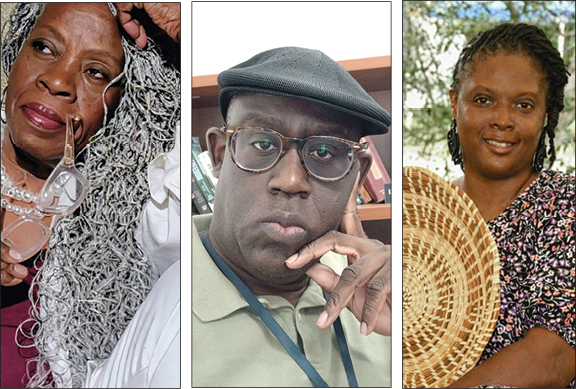
Led by Genya Watson, this session offers a hands-on opportunity to create a one-of-a-kind Gullah doll, a craft deeply connected with regional cultural expression. All materials are provided, garden admission is included with the ticket, and light refreshments are served.
Workshops like this not only teach basic craft skills, but also provide insight into the cultural forms that Gullah artists have preserved and passed down through generations. Dolls, like other handmade objects, embody the blending of creative ingenuity and community identity foundational to Gullah heritage.
Speaker Series: The Lost Stories of Black Charleston
On Wednesday, Feb. 11, from 6-7 p.m., Magnolia’s Speaker Series continues with local historian Damon Lamar Fordham, who will present The Lost Stories of Black Charleston in the Carriage House. This free public talk highlights historical narratives of African Americans in Charleston that have often been overlooked or marginalized in mainstream history.
Fordham, an adjunct history professor and author, has spent years researching and sharing stories that give voice to the lived experiences of Black Charlestonians — from cultural resilience to community leadership and everyday life. His work strengthens local understanding of how Black history has shaped Charleston’s past and continues to influence its present.
Sweetgrass Basket Workshop:Living Craft Tradition
Capping off Black History Month on Saturday, Feb. 28, from 11 a.m.-4 p.m. is Magnolia’s Sweetgrass Basket Making Class with renowned artisan Jennifaye Singleton of Geechee Gyal Baskets. Participants have two class times — an early session and an afternoon session — and all materials and light refreshments are included.
Sweetgrass basketry is one of the oldest African American art forms in the United States, with origins tracing back to West African coiled fiber traditions. Local sweetgrass weaving evolved in the Sea Islands and coastal Lowcountry where enslaved Africans adapted their artisanal knowledge to new materials and environments. These baskets — celebrated for their beauty, practicality, and cultural resonance — have been designated a National Treasure by the Smithsonian Institution. Magnolia’s workshop invites participants to experience this tradition firsthand by making their own basket under expert guidance, honoring an art form sustained in this region for centuries.
Why These Experiences Matter
Magnolia Plantation’s February programming reflects a broader effort in Charleston to deepen community engagement with Black history and cultural heritage. Through interactive learning and creative practice, events like the Gullah doll and sweetgrass basket workshops connect people with artistic traditions rooted in African American experiences. Meanwhile, educational talks help fill gaps in historical memory, elevating stories that foster a more complete view of local history.
For residents of West Ashley and the greater Charleston area, these programs offer ways to explore heritage beyond the classroom and celebrate culture through craft, community, and conversation. Whether you’re a longtime local or a newcomer curious about the region’s roots, Magnolia Plantation & Gardens’ Black history offerings this February provide rich opportunities to learn, reflect, and create.
Magnolia Plantation & Gardens is located at 3550 Ashley River Road, For more information on Magnolia Plantation Garden & Events, call (843) 571-1266 or visit www.magnoliaplantation.com.


